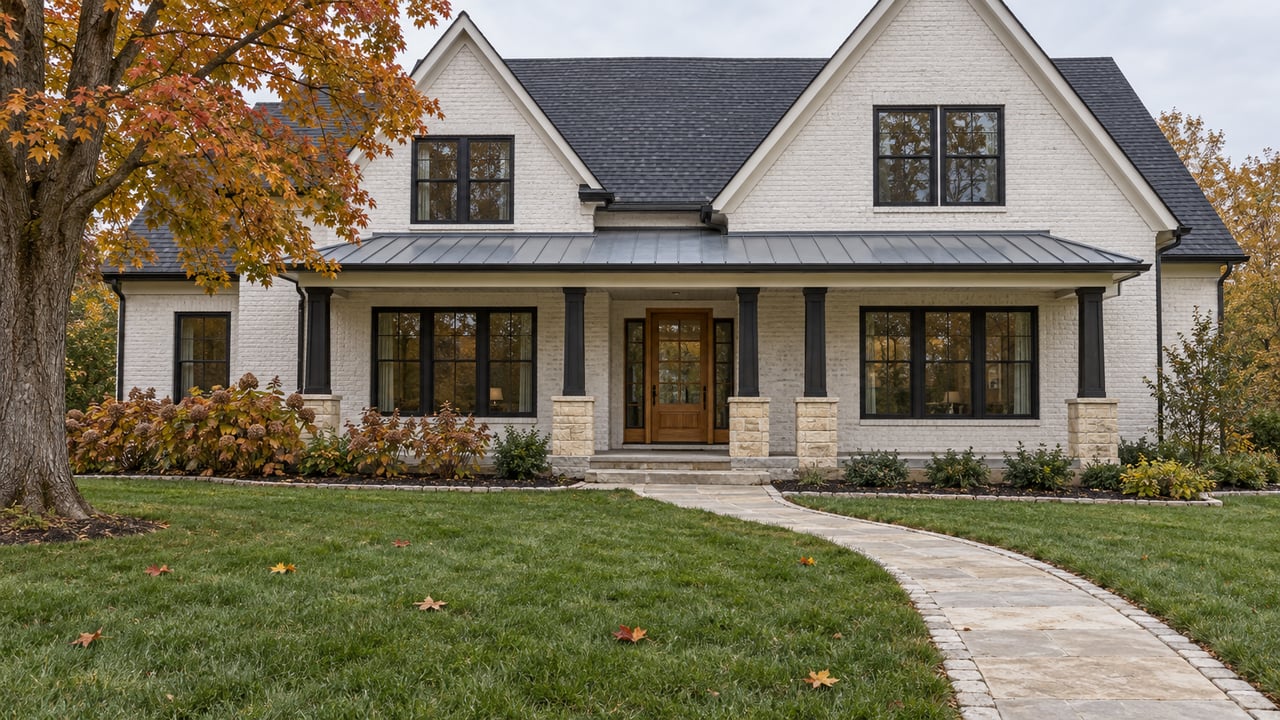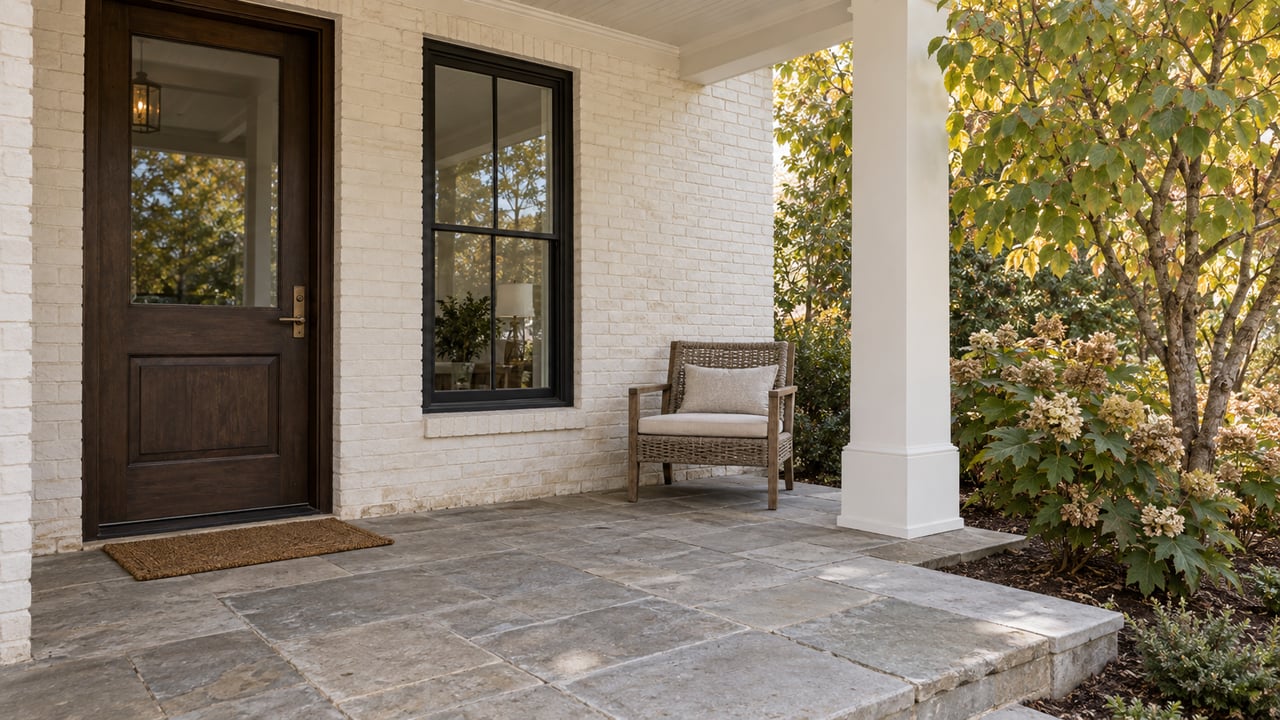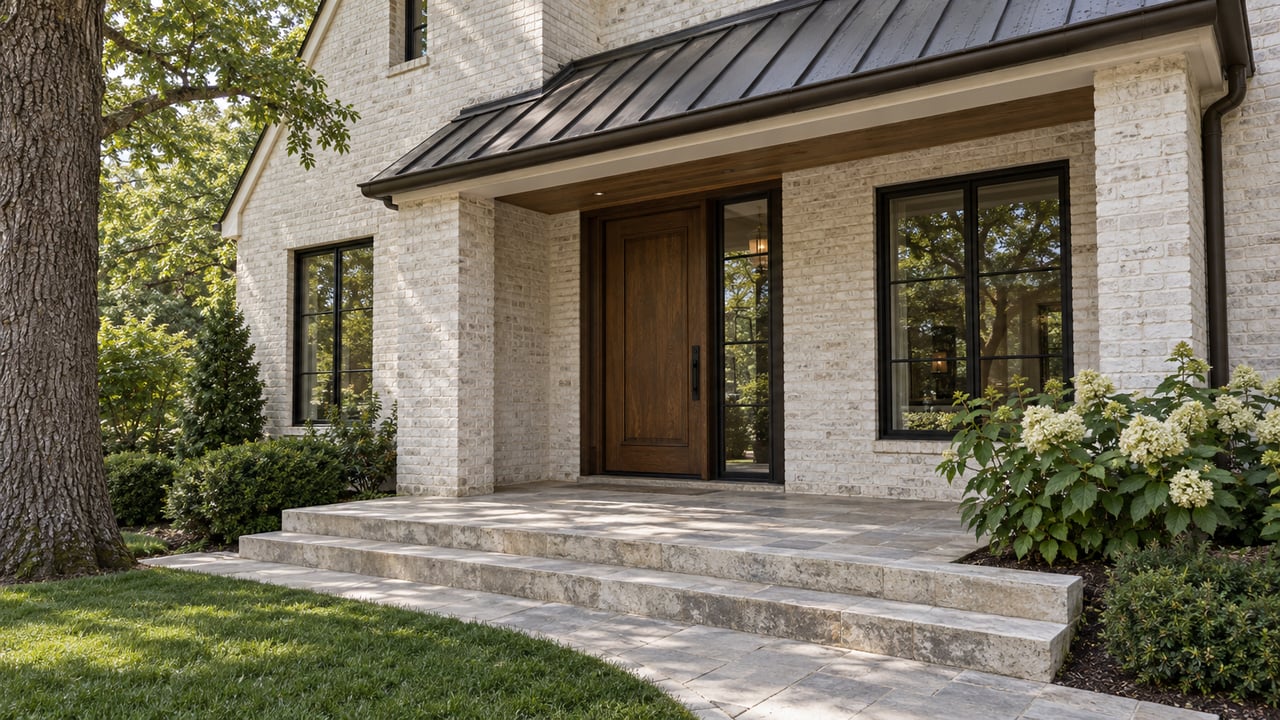
Wondering if now is the right time to trade a larger Franklin home for a luxury townhome or condo? If you want less upkeep without giving up access to great dining, shopping, and a polished lifestyle, downsizing can be a smart next step. The key is knowing that this move is about more than square footage. You need a plan for lifestyle, carrying costs, and timing. Let's dive in.
Why Franklin appeals to downsizers
Franklin offers a rare mix of charm and convenience that fits many downsizing goals. According to the City of Franklin, downtown includes shopping, restaurants, antique shops, clothing stores, art galleries, and professional services. That means you can simplify your home while staying close to the places you enjoy using every day.
The setting also carries real character. Visit Franklin says Main Street is designated a Great American Main Street and is listed on the National Register of Historic Places. For many buyers, that blend of walkable amenities and historic appeal is exactly what makes a luxury attached home in Franklin feel like an upgrade, not a compromise.
Downsizing is not just getting smaller
A successful move from a larger home into a townhome or condo usually comes down to three decisions happening at once. You are choosing a lifestyle, evaluating a different ownership structure, and coordinating the sale of your current home with your next purchase. Each part affects the others.
That matters even more in the upper tier of the Williamson County market. Greater Nashville REALTORS reported that in 2025, 112 homes sold for $4 million or more across the region, and most of those closings were in Williamson County. The same report noted that homes at that level can be selective and may move more slowly, which is important if you are selling a high-value property before buying your next home.
What to look for in a luxury townhome or condo
Luxury finishes are only part of the picture. Before you fall in love with a floor plan, take time to understand the monthly costs, association structure, and property rules. That is where the long-term fit becomes clear.
HOA dues and monthly costs
Homeowners association dues are a major part of condo and townhome ownership. The CFPB says HOA dues are usually paid separately from your mortgage and can range from a few hundred dollars to more than $1,000 per month. That monthly cost should be part of your budget from day one.
It is also important to treat those dues seriously. The CFPB notes that nonpayment can lead to collection efforts and even foreclosure. In other words, the lower-maintenance lifestyle can be attractive, but you want to know exactly what you are paying for and how those obligations work.
Insurance coverage
Insurance for condos can be more layered than insurance for a detached home. The CFPB explains that association fees often cover a master insurance policy for common areas, but you still need your own insurance for the unit itself. Lenders also generally require proof of homeowner's insurance as part of the loan process.
That means you should review both policies before closing. You want to know what the association covers, what you need to cover personally, and whether there are any gaps that could affect your risk or costs later.
Project review and lending
Not every condo project is treated the same by lenders. Fannie Mae says some attached condo units must go through limited or full project review depending on the loan factors. Freddie Mac also says that a condo project with a Not Eligible status is not eligible for sale to Freddie Mac.
For you as a buyer, that means financing can depend on more than your own qualifications. The project itself matters. A beautiful unit can still become complicated if the condo association or project does not meet lending standards.
Rules that affect daily life
Before you buy, ask practical questions about how the property operates. Review items such as:
- Association budget
- Reserve funding
- Special assessment history
- Master insurance coverage
- Parking allocation
- Storage allocation
- Rental restrictions
- Pet restrictions
These details can shape how comfortable and flexible the home feels after you move in. They also help you compare two properties that may look similar on the surface but function very differently in real life.
Franklin-specific checks before closing
Franklin has local factors that deserve extra attention, especially if you want to live near downtown. A townhome or condo in a prime location can come with added benefits, but it may also come with added rules.
Historic overlay rules
If a property is inside Franklin's Historic Preservation Overlay District, exterior changes are regulated by the city. Franklin says Certificates of Appropriateness are required before most exterior alterations. The Historic Zoning Commission reviews items such as new construction, additions, demolition, signs, awnings, fences or walls, window replacements, siding, and roofing.
This matters if you are planning to personalize a home after closing. Even if the interior is updated, exterior changes may be limited. Before you buy, verify whether the property falls within the applicable historic area, especially if you are considering future changes to windows, doors, fencing, or other exterior features.
Property taxes and relief programs
Carrying costs should include taxes, not just mortgage and dues. The City of Franklin says its property tax rate is $0.296 per $100 of assessed value, and city taxes are billed and collected by the Williamson County Trustee. That gives you a local baseline as you compare ownership costs.
For some downsizers, tax relief programs may help. The city notes that Tennessee offers property tax relief for low-income elderly and disabled homeowners, and Williamson County has approved a tax freeze program, though the city itself has not adopted a city property tax freeze.
Williamson County says it administers the county tax freeze and state elderly tax relief programs. For the 2025 tax year, the county listed income limits of $67,460 for the county freeze and $37,530 for state relief. The Tennessee Comptroller says tax-freeze applications are made annually to the county trustee or city collecting official in participating jurisdictions.
Timing your sale and purchase in Franklin
The financial side of downsizing is only half the challenge. The other half is timing. If you are moving from a larger home into a condo or townhome, you need a plan that keeps your sale and purchase aligned.
The CFPB says that if you want to move, you normally try to sell your home first before buying another one. It also recommends reviewing closing documents in advance and planning the transition from your current home to your new one. That advice fits downsizers especially well because there are often more moving parts, from decluttering and staging to temporary storage and move coordination.
Why timing matters in the luxury tier
If your current home is in the upper end of the market, your sale may take longer than a standard resale. Greater Nashville REALTORS reported that homes priced at $4 million or more averaged 128 days on market in 2025, and most of those sales were in Williamson County. That does not mean your home will take that long, but it does suggest that luxury sellers should plan for a longer runway.
That extra runway can actually help you make a better move. It gives you time to prepare the home well, think through pricing, and shop carefully for the right next property instead of rushing a major lifestyle change.
Attached-home inventory and buyer choice
Recent regional data suggests attached-home buyers have had options. In April 2026, Greater Nashville REALTORS reported 2,654 condo listings, a median condo price of $345,000, and six months of inventory across the nine-county region. That level is often viewed as a balanced market.
Franklin is its own submarket, of course, and luxury inventory is more specific than regional condo data. Still, the broader trend supports a practical takeaway. You should be prepared to move decisively when the right unit appears, but with enough planning that your sale and purchase stay coordinated.
A smart downsizing checklist
When you are evaluating a luxury townhome or condo in Franklin, keep your focus on the big picture. A shorter checklist can help you stay clear-headed.
Questions to ask yourself
- Do you want to be close to downtown amenities?
- Are you comfortable with HOA dues and shared rules?
- Have you reviewed insurance responsibilities for the unit and common areas?
- Do you know whether the property is in a historic overlay district?
- Have you estimated property taxes and ongoing carrying costs?
- If eligible, have you looked into county or state tax relief options?
- Do you have a realistic timing plan for selling your current home?
These questions can save you from buying based on finishes alone. The right downsizing move should support your budget, your lifestyle, and your timeline.
Why strategy matters when you downsize
In Franklin, downsizing into a luxury townhome or condo can be a smart lifestyle move when it is handled with care. You may gain convenience, reduce maintenance, and stay close to the places you love. But the best outcome usually comes from careful planning, not quick decisions.
That is especially true when you are balancing the sale of a larger home with the purchase of an attached property that may have its own rules, review standards, and monthly costs. A clear strategy helps you avoid surprises and move forward with confidence.
If you are considering a downsize in Franklin, Ashton Real Estate Group can help you evaluate your options, time your move, and create a plan that fits your goals.
FAQs
What should you check before buying a luxury condo in Franklin?
- You should review HOA dues, reserve funding, special assessment history, master insurance coverage, parking and storage details, project eligibility, and any rental or pet restrictions.
How do historic district rules affect Franklin townhomes and condos?
- If a property is in Franklin's Historic Preservation Overlay District, many exterior changes require a Certificate of Appropriateness and city review before work begins.
Are HOA fees included in a condo mortgage payment?
- No. The CFPB says HOA dues are usually paid separately from the mortgage.
How can property taxes affect downsizing in Franklin?
- You should factor in Franklin's city property tax rate, county billing structure, and whether you may qualify for county or state property tax relief programs.
Why is timing important when downsizing from a larger Franklin home?
- Timing matters because selling a higher-end home may take longer, while the right low-maintenance townhome or condo may require a quick decision once it becomes available.